Social entrepreneurs are often praised for their proximity to the problems they are trying to solve. Their understanding of communities, lived experience and connection to real needs can make their solutions more relevant and more human. Yet that same proximity can also carry an emotional cost that receives far less attention.
Many impact entrepreneurs work close to poverty, disability, unemployment, food insecurity, violence, educational inequality and community trauma. These challenges do not remain abstract or neatly contained within business plans. They have names, faces and stories, and founders may encounter them repeatedly while carrying the additional responsibility of leading teams, managing finances, securing funding and keeping an organisation moving forward.
When the work is rooted in real human struggle, emotional distance is not always possible, nor is it necessarily desirable. Empathy is often part of what makes social entrepreneurs effective, helping them understand the people they serve and build solutions around lived realities rather than assumptions. The difficulty comes when caring deeply begins to blur into feeling personally responsible for every person, every outcome and every problem the organisation cannot solve.
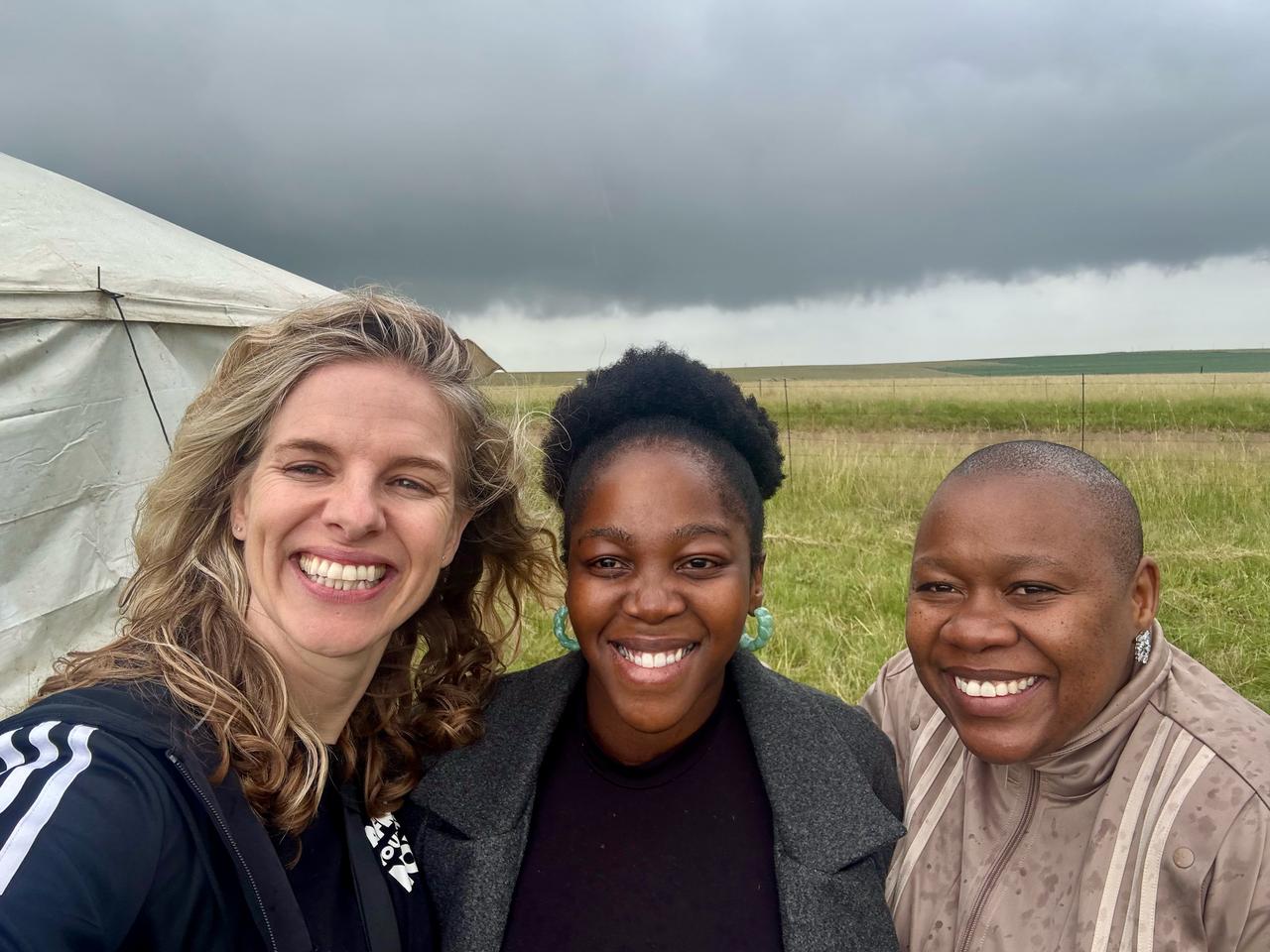
This Mental Health Awareness Month, we spoke to Batetshi Matenge, a Clinical Psychologist, about the emotional demands of purpose-driven work. Using a psychoanalytic-oriented approach, Batetshi helps people explore current challenges, recurring behaviour patterns and the deeper experiences that shape how they respond to pressure.
Batetshi explains that repeated exposure to other people’s distress can create a form of emotional overload, particularly when empathy becomes closely linked to a sense of personal responsibility.
“Over time, empathy can gradually become anxiety, guilt, helplessness, exhaustion or a sense that you are never doing enough,” she says. “Some people eventually become emotionally numb or detached, not because they no longer care, but because distancing becomes a psychological form of protection when the emotional demand exceeds their capacity to process it.”
When resilience becomes an expectation
Entrepreneurship already demands an ability to navigate uncertainty, but social entrepreneurs may carry an additional pressure created by knowing that other people depend on the work they do. When an organisation supports livelihoods, feeds families, creates access to healthcare or education, or provides opportunities that may not otherwise exist, stepping away can feel difficult and rest can begin to feel like something that needs to be justified.
Founders are also frequently expected to be the strongest person in the room. They reassure teams, communicate confidence to funders, motivate communities and continue articulating a hopeful vision even when they themselves are uncertain.
This is where our language around resilience deserves closer examination. Resilience is an important human capacity, but it should not become shorthand for absorbing an unlimited amount of pressure. Continually celebrating someone’s ability to keep going can unintentionally reinforce the idea that strong leaders should be able to carry everything without support.
For founders whose identity is closely connected to their mission, this can become particularly complicated. If the organisation struggles, it may feel personal. If someone cannot be helped, it may feel like failure. Yet many of the challenges impact entrepreneurs are addressing are systemic and have developed over decades. No individual entrepreneur can personally carry the weight of hunger, inequality, unemployment or failing infrastructure, regardless of how committed they are to changing them.
According to Batetshi, “Founders need to distinguish deep commitment from total responsibility. They can care profoundly about the mission while recognising that systemic problems cannot be resolved by one person or organisation. Resilience should be understood as the capacity to use relationships, resources and limits—not simply to endure more. It helps to have people with whom they can speak honestly about uncertainty, disappointment and limits, without having to reassure anyone. Delegating, sharing leadership and seeking support are therefore not signs of reduced commitment; they protect both the founder and the work.”
The person behind the solution needs support too
The entrepreneurship ecosystem invests considerable energy in strengthening businesses through funding, mentorship, technical expertise, networks and market access. Far less attention is given to the emotional infrastructure required to sustain the person leading the organisation.
That support will look different for every founder. It may include professional mental health care, coaching, trusted peer relationships, stronger boundaries or simply spaces where someone can speak openly without needing to provide answers or perform confidence. What matters is recognising that people doing emotionally demanding work need opportunities to process what they are carrying.
Purpose can sometimes make this need harder to acknowledge. When work feels meaningful, exhaustion may be dismissed as part of the mission and emotional strain can be interpreted as something to push through. Meaningful work, however, is not automatically sustainable work, particularly when the person behind it is expected to remain endlessly available to the problem.
We asked Batetshi what practical support structures or habits can help social entrepreneurs process the emotional weight of their work before it becomes overwhelming?
“I would encourage founders to build regular spaces for reflection into the way they work, rather than waiting until they reach a crisis. That might mean a trusted peer or mentor, a peer support group or therapy when they need space to understand what the work is stirring in them. Clear decisions about availability, delegation and what the organisation can realistically offer also matter. A useful question to return to is: “What am I carrying that belongs to me, and what needs to be held by the team or a wider system?”
At FURTHER, our belief in building stronger humans recognises that sustainable impact cannot be separated entirely from the sustainability of the people creating it. If we want impact entrepreneurs to continue addressing some of society’s most difficult challenges, support cannot begin and end with business capability.
Mental Health Awareness Month is an opportunity to recognise that founders can be deeply committed, capable and resilient while still finding their work emotionally difficult. Creating space for that reality does not diminish their strength. It gives us a more honest understanding of what it takes to keep building solutions close to pain.