Food safety is one of those issues that most people only think about when something goes wrong. A product is recalled. An outbreak is reported. A community falls ill. By the time unsafe food becomes visible, the problem has often already moved through several parts of the food system.
This is why World Food Safety Day matters. The 2026 campaign, titled "From burden to solutions – safe food everywhere", focuses on reducing the global burden of foodborne disease through practical, science-led solutions.
The scale of that burden is significant. According to the World Health Organization, around 600 million people become ill from contaminated food every year, while 420,000 people lose their lives. In low- and middle-income countries, unsafe food is estimated to cost US$110 billion annually in lost productivity and medical expenses. These numbers tell us something important. Food safety is not only a public health issue. It is an economic issue, a systems issue, and a development issue. When food systems fail, people get sick, businesses lose product, farmers lose income, supply chains lose trust, and communities carry the cost.
For countries like South Africa and India, where food systems must serve large populations across diverse and often unequal contexts, the challenge is not simply to test more. It is to detect risk earlier, more accurately, and in ways that are practical for real-world food environments.
Looking beyond better tests
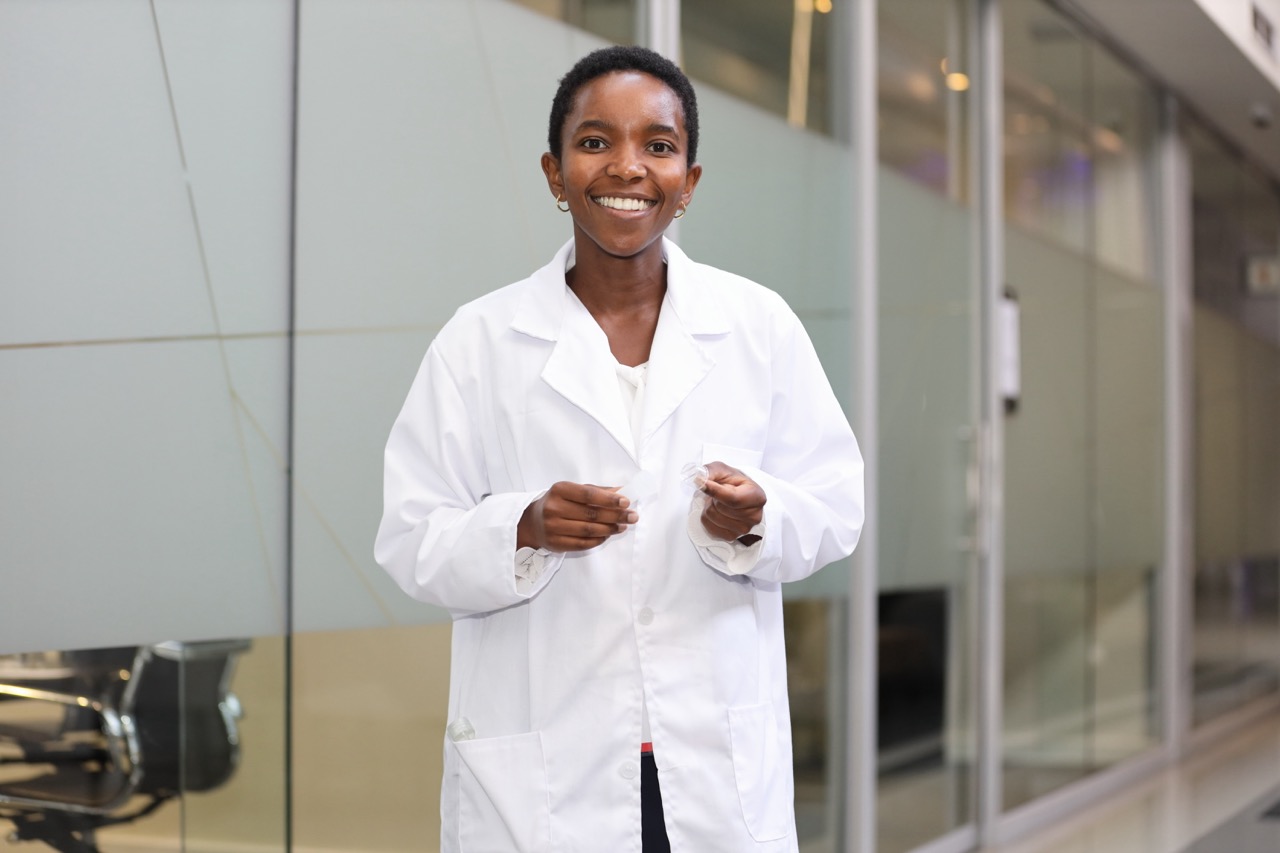
One of the entrepreneurs in the FURTHER community working to address this challenge is Drizzle Health, founded by Bonolo Mathekga and Digvijay Singh. Through their innovations MagnaSlide and MagnaFlow, they are tackling a problem that often goes unnoticed: the quality of the sample being tested.
Their approach starts with a simple observation. A test is only as good as the sample it begins with.
Traditional produce testing often relies on small samples that represent a tiny fraction of the total volume being processed. Results can take 24 to 48 hours, creating a gap during which contaminated products may already move through storage, transport, and retail channels.
Rather than focusing solely on building better diagnostic tests, Drizzle Health is focused on improving the sample itself.
MagnaFlow and the shift towards earlier detection
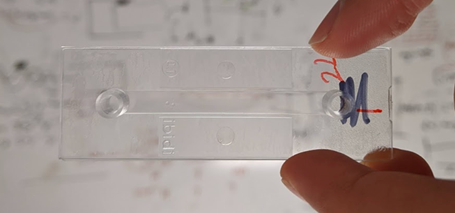
MagnaFlow uses a proprietary polymer that selectively binds to bacteria, allowing pathogens to be captured and concentrated directly from produce wash water. This turns a dispersed and difficult-to-detect risk into a more test-ready sample.
The technology provides a different way of thinking about food safety. Temperature monitoring can tell operators whether the cold chain has been maintained, but it cannot always reveal what is happening inside the product itself. Wash water monitoring, on the other hand, can provide insight into microbial activity, contamination risks, and potential spoilage before products leave the facility.
Preliminary results have demonstrated enrichment-free capture and detection of E. coli O157 directly from flowing produce wash water, enabling same-day pathogen detection and helping address one of the biggest limitations in conventional food safety testing: finding contamination early enough to act on it.
The benefits extend beyond compliance. Earlier detection can help businesses make better decisions about quality control, storage, distribution, shelf-life management, and spoilage prevention. In a sector where margins can be tight and waste can be costly, these insights matter.
A food system challenge
Bonolo and Digvijay are quick to point out that food safety does not begin in a laboratory. It starts on farms, with water quality, hygiene practices, and responsible production methods. It continues through processing facilities, transport networks, retailers, and ultimately into people's homes.
Modern food systems are complex, and a small lapse at one point in the chain can have consequences much further downstream. This is why food safety cannot be viewed only as a testing problem. It requires better visibility, better data, and practical tools that help identify risks before they become outbreaks.
Innovations like MagnaFlow demonstrate what this shift looks like in practice. Rather than reacting to contamination after the fact, they help create opportunities for earlier intervention and better decision-making.
From burden to prevention
As the World Food Safety Day theme reminds us, the burden of foodborne disease is not inevitable. It can be reduced when science, innovation, and entrepreneurship work together to solve problems before they reach the public.
For FURTHER, this is also a reminder of why impact entrepreneurship matters. The most useful solutions often come from entrepreneurs who are close enough to understand the problem clearly and bold enough to rethink where the intervention should happen.
With MagnaFlow, Drizzle Health is not simply asking how we test for contamination. They are asking how we find it earlier, how we make the sample better, and how we give food systems a stronger chance of acting before people become sick.