The work that holds everything together
Behind many women-led social enterprises is a layer of work that rarely appears in business plans, funding reports or impact stories, yet often determines whether the organisation survives. It is the emotional labour of holding people through crisis, the administrative labour of keeping operations moving, the caregiving labour of supporting families and communities and the relational labour of building trust with team members, beneficiaries, funders and partners.
This work is often invisible because it does not always look like traditional business-building. It may not sit neatly under finance, operations, marketing or strategy, but it shapes every part of the enterprise. A female founder who is holding a team together, responding to beneficiaries, navigating community expectations, managing funder relationships and still keeping the organisation moving is not simply “being caring”. She is exercising leadership, communication, problem-solving, resilience, negotiation and emotional intelligence in real time.
The human skills behind sustainable businesses
These are not soft skills. They are the human skills that allow businesses to be built, especially businesses designed to respond to social problems. This is where the work of FURTHER matters.
FURTHER’s approach recognises that entrepreneurs do not only need technical knowledge, funding readiness or business tools. They also need the capacity to lead themselves and others through complexity. They need to understand how to make decisions under pressure, how to build trust, how to communicate with confidence, how to hold boundaries, how to manage people and how to turn lived experience into a sustainable model for change.
For many women impact entrepreneurs, these skills already exist, but they are often developed through necessity rather than support. Women learn to stretch resources because there is no other option. They learn to hold emotional complexity because people depend on them. They learn to lead through uncertainty because the work cannot wait. But when these skills remain unseen, they are not strengthened, resourced or valued in the way they should be.
Modelling a different way of working
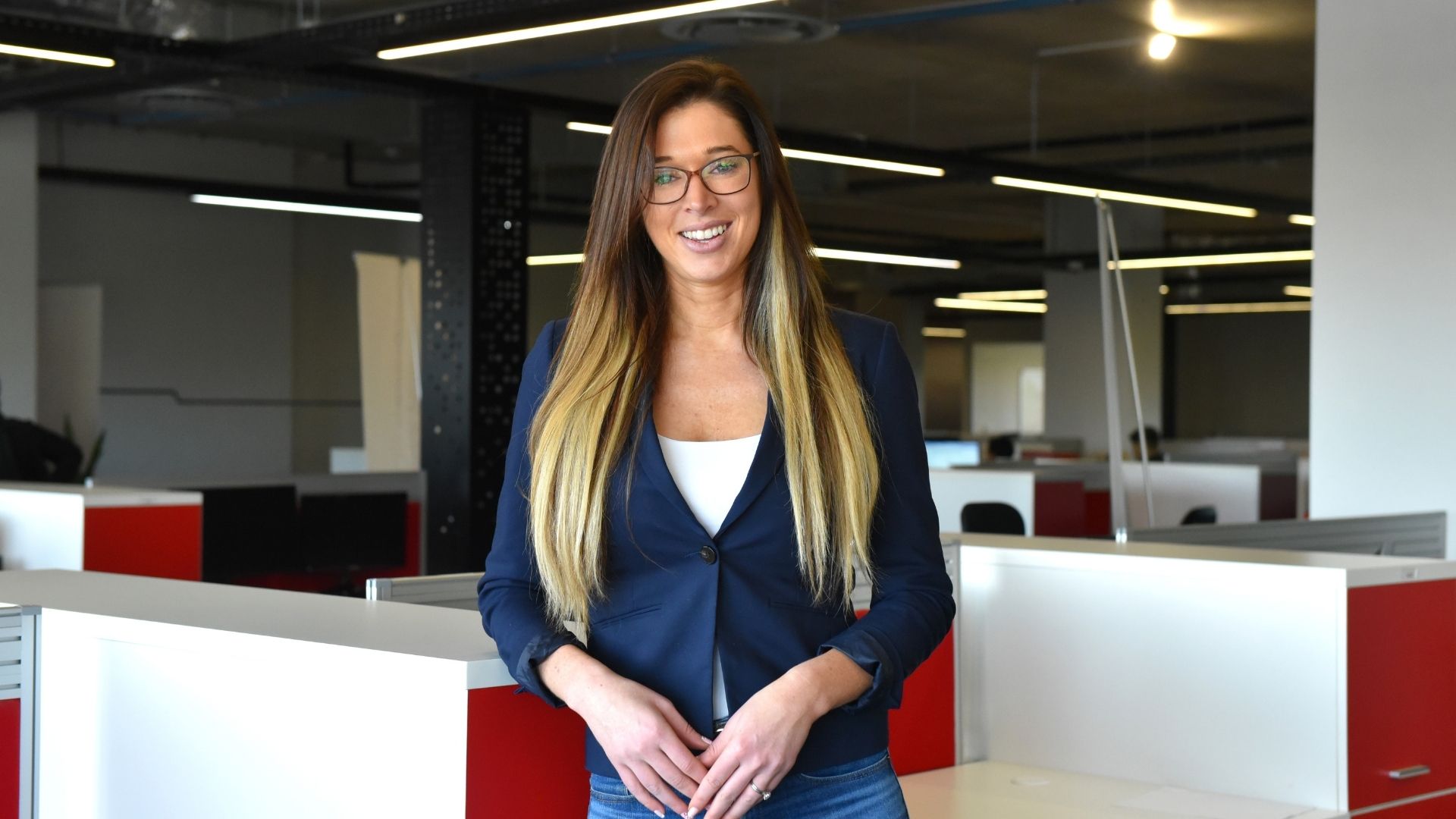
For Sarah Alsen of Sisonke Compost, the invisible work of social entrepreneurship lives in the everyday decisions that show people they matter. It is not only about delivering a service or running an operation, but about modelling a different way of working, one where wellbeing, dignity, environmental care and shared responsibility are all part of the business.
“Running a social impact business means that each person we work with matters,” she reflects. “The wellbeing of the people I work with matters because, if you do not have happy and healthy workers who can go on to become leaders to others, you miss an opportunity. Sometimes that means taking someone to a hospital appointment when it is easy enough for you to do, offering a reduced rate to a conservancy for chipping work, picking out every bit of litter and plastic that should not be in the compost, or having an extra meeting with a church group that wants to start its own composting and food garden. These are opportunities to show that we are in this together, that we have a shared future, and that anything we can do to create a better example of happy, healthy and productive lives is worth doing.”
When resilience becomes depletion
The danger is that women are praised for doing more with less, instead of being supported to build with enough. Their ability to care is admired, but not always recognised as labour. Their ability to adapt is celebrated, but not always backed with operational support. Their ability to keep going is called resilience, even when what they really need is a stronger support system around them.
Coach Eugenie Drakes believes this begins with a shift in mindset, especially for women who are used to carrying families, teams, communities and businesses at the same time.
“If you believe that self-care is selfish, you are not fully serving others and you are not fully serving yourself or your cause,” she says. “You cannot pour from an empty cup. Every stressor, every late night and every challenge is a withdrawal from your body’s energy bank account, and many people are constantly in overdraft without understanding why they are so exhausted.”
For Eugenie, self-care is not a retreat from impact, but a tool that allows women to serve with greater strength, clarity and sustainability.
Purpose does not make the work lighter
If we want women-led social impact enterprises to last, we have to stop treating sacrifice as the price of impact.
Building a business requires more than a good idea. It requires the ability to manage people, design systems, make decisions, tell the story of the work, understand money, build partnerships and stay grounded when the pressure becomes heavy. In social entrepreneurship, this is even more complex because the work is often deeply personal and connected to real human needs.
Coach Tumi Diseko believes one of the misconceptions about purpose-led work is that passion makes the work easier, when in reality it often requires even greater levels of resilience, discipline and sacrifice.
“Purpose does not make the work easier,” she says. “There is a perception that because you love what you do, it should not feel like work, but it takes an incredible amount of resilience and sacrifice to build something that serves other people while also ensuring that it can sustain itself and sustain you.”
For Tumi, much of the invisible work lies in holding hope for others, especially entrepreneurs who are building in environments that are not always kind or supportive. “Sometimes people do not need another strategy. They need someone to remind them that they are capable, that setbacks are not the whole story, and that tomorrow can look different,” she says. “When you work with impact entrepreneurs, you are not only changing one life. You are making it easier for the next person, and the next woman, to dream a little bigger.”
Recognising invisible work as capacity
The invisible work of women impact entrepreneurs is therefore not separate from the business. It is part of the business. The relationships they hold, the trust they build, the care they give and the stability they create are often what make their organisations credible, responsive and rooted in community. But for this work to become sustainable, it has to be recognised as capacity, not simply character.
Women should not only be celebrated for being strong. They should be supported to become stronger leaders, clearer decision-makers and more resourced founders. They need spaces where they can step back from the daily pressure, reflect on what they are carrying, strengthen the skills they already use, and build enterprises that do not depend entirely on their personal endurance.
During Women’s Month, there is an opportunity to move beyond celebration and into recognition. Recognition means seeing the full weight of what women impact entrepreneurs carry, but it also means seeing the depth of skill inside that work. The goal should not be to praise women for carrying everything alone. The goal should be to help them build the skills, structures and support systems that allow their work to grow without costing them their wellbeing. Because when we strengthen the human capacity behind the business, we strengthen the business itself.