Climate change, water scarcity, deteriorating soil health, rising input costs and food insecurity are placing growing pressure on agricultural systems. For South Africa, these challenges are particularly significant because agriculture sits at the intersection of so many of the issues we need to solve: how we feed people, create livelihoods, use scarce natural resources responsibly and build economies that can withstand future shocks.
Through THE GREENHOUSE, FURTHER works with green economy entrepreneurs who are developing solutions across agriculture, water, energy and waste, combining business development with the human capacity required to build and sustain those solutions. World Agriculture Day on 9 September provides an opportunity to recognise the people working at this intersection. Among them are a growing number of impact entrepreneurs who are asking whether we can farm differently, and whether solving one agricultural challenge can create an opportunity to solve several others at the same time. Within THE GREENHOUSE community, that thinking is already taking many different forms.
Innovation does not have to start with technology
When we talk about agricultural innovation, it is easy to imagine sophisticated technology, automation and large-scale precision farming. Those things have an important role to play, but some of the most relevant innovations begin with a much simpler question: how can we produce more effectively with the resources we already have?
Zandile Khumalo, founder of HyHarvest
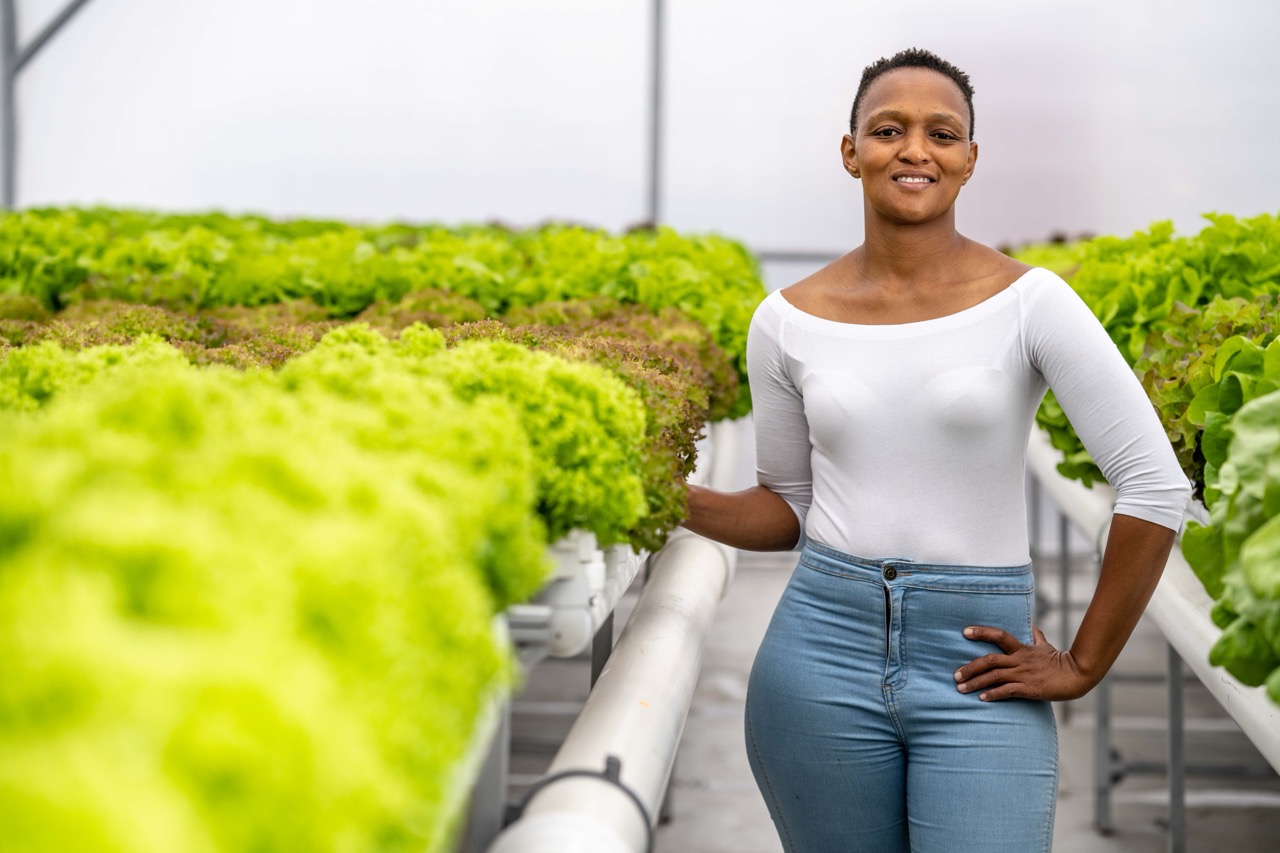
For Zandile Khumalo, founder of HyHarvest, one answer is to reconsider where food can be grown at all.
Her hydroponic farming model has included growing fresh produce on the rooftop of Morningside Shopping Centre in Johannesburg. By growing vertically and without conventional soil, hydroponics can significantly reduce both the land and water required to produce food while bringing production closer to the urban markets consuming it.
You have demonstrated that food can be grown in places we would not traditionally think of as farmland. What do you think the future of farming looks like as land and water become increasingly constrained?
“I believe the future of farming is going to be about growing more with less, like using land, water and other resources more efficiently while maintaining productivity. As resources become increasingly constrained, I think we will see greater adoption of innovative, technology-driven production systems, including controlled-environment agriculture, hydroponics, vertical farming and more efficient irrigation technologies. These systems can help farmers optimise the use of water, nutrients, space and energy, while technologies such as sensors, automation and data analytics can support better decision-making and more precise farming.
But I don't believe the future of agriculture is about replacing traditional farming or traditional farmers. It is about combining agricultural knowledge and experience with appropriate technology to build farming systems that are more resource efficient, resilient and sustainable. For me, that is where the opportunity lies not simply in producing food differently, but in thinking differently about how we use the resources and spaces available to us to produce food sustainably.”
Ntobeko Mafu, Madame Clucks A Lot

Ntobeko Mafu is approaching sustainability from another part of the agricultural system. Through Madame Clucks A Lot, she combines organic crop production, poultry farming and practical training in regenerative techniques, including composting, water-efficient irrigation and the use of chicken manure as organic fertiliser.
Her model demonstrates that sustainability is not necessarily a separate environmental objective sitting alongside farming. It can be embedded into the way the farm itself operates.
You work across food production, regenerative farming and farmer training. Which sustainable practice have you seen make the biggest practical difference for small-scale farmers, and why?
"The sustainable practice that has made the biggest practical difference is regenerative agriculture, particularly the mindset of using what you have to do what you can. Small-scale farmers often cannot afford expensive inputs, sophisticated infrastructure or technologies that are designed for larger commercial farms. Regenerative agriculture has shown me that sustainability can start with looking at what is already around you and asking how it can be returned to the system rather than thrown away.
On our farm, for example, chicken manure becomes compost and organic fertiliser for our crops. Crop residues can become part of our soil-building process, and water has to be managed carefully because every drop matters. What has been even more powerful for us is creating a system where production and training strengthen one another. Our farm is a living classroom where farmers and aspiring farmers can see how composting, organic production, water-efficient irrigation and poultry farming can work together. When your waste can become an input, your farm can become a classroom, and what you learn from production can improve the way you train others, you begin to create a more resilient agricultural system one that is better for the farmer, the soil and the community.”
Dr Phindile Msomi, founder of Hazile Group
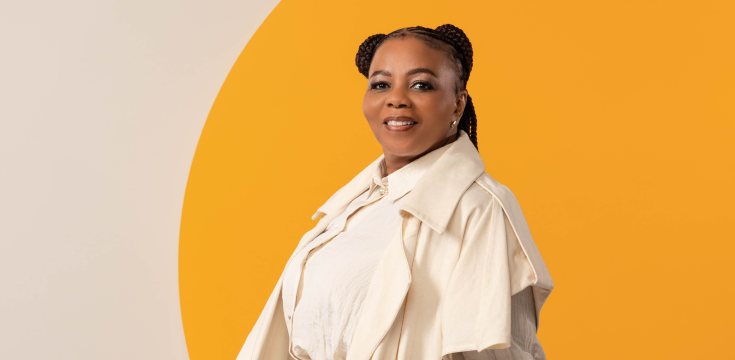
Dr Phindile Msomi, founder of Hazile Group, is approaching similar pressures by looking at agriculture as part of a wider resource system. Hazile's work brings together hydroponic food production, water conservation and renewable energy, recognising that the future of agriculture cannot be separated from the future of water and energy. This system's approach is particularly important in communities where resource scarcity is already a daily reality.
Your work connects food production with water and energy. Why do you believe the future of agriculture requires us to stop treating these as separate challenges?
“Food production, water and energy are deeply interconnected. Farmers cannot produce consistently without reliable water, while pumping, irrigation, temperature control and processing all depend on energy. At Hazile Group, we integrate climate-smart growing systems with water-efficient solutions and renewable energy to reduce costs, strengthen resilience and make food production more viable. This is especially important for women, young people and emerging farmers, who need practical systems that can withstand climate and infrastructure pressures while creating sustainable livelihoods.”
What if agricultural waste became part of the solution?
Some agricultural innovations begin not with what we need more of, but with what we already throw away.
Zandile Cele, Zamdu Services
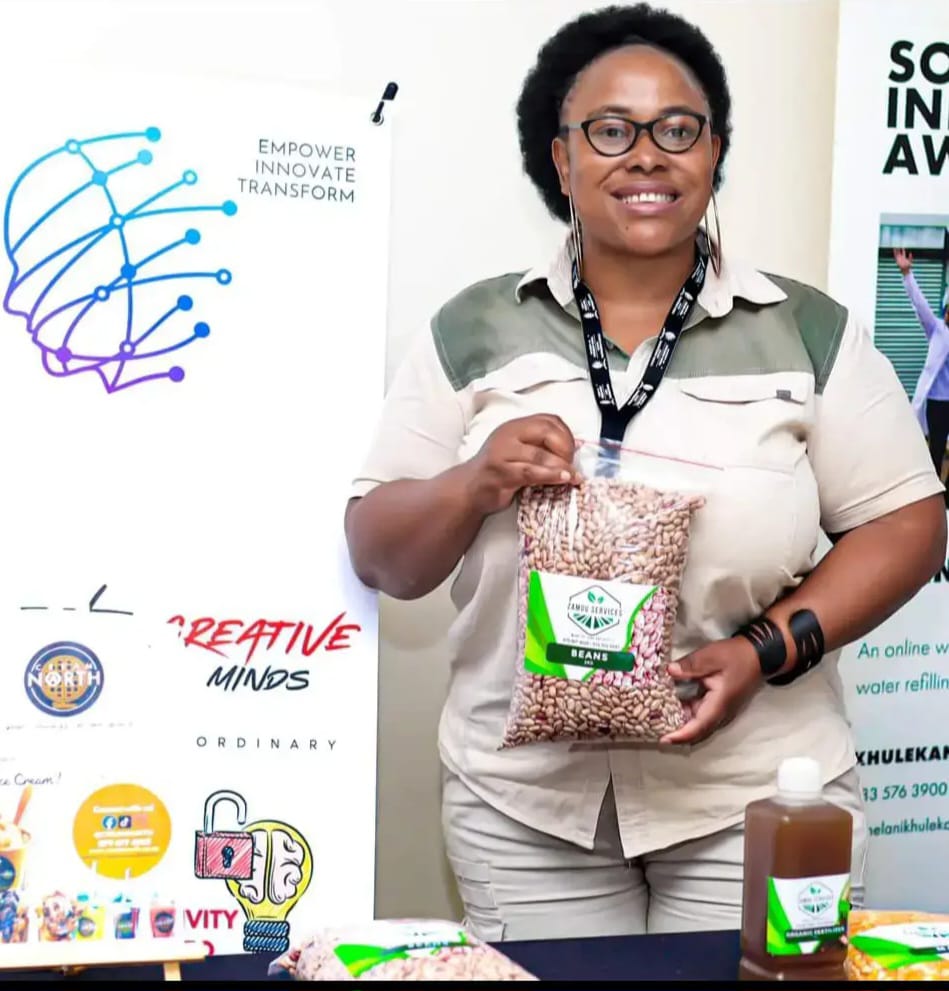
Through Zamdu Services, Zandile Cele is using fruit and vegetable waste to produce biochar and organic liquid fertilisers. The approach creates an alternative to conventional chemical fertilisers while returning useful resources to agricultural production, with the potential to improve soil fertility and create additional income opportunities for farmers. It is a useful example of circular thinking in agriculture. Waste from one part of the food system does not necessarily have to remain waste. With the right model, it can become an input into another.
Your work turns agricultural waste into something farmers can use again. What changes when farmers begin to see waste as a resource rather than simply something to dispose of?
“When farmers begin to see waste as a resource rather than something to dispose of, a positive transformation takes place in agriculture. Organic waste such as crop residues, fruit and vegetable peels, and other natural materials become valuable inputs that can enrich the soil and support healthy crop production. This mindset reduces waste, lowers dependence on costly external inputs, creates new opportunities for income generation, and promotes sustainable farming practices. Farmers become not only producers of food but also guardians of the environment, contributing to a circular economy where every resource is valued and nothing goes to waste.”
Building agriculture that strengthens communities
Innovation also matters because of who gets to participate in agriculture and benefit from its growth.
Camilla Ndhlovu, Oak Farm
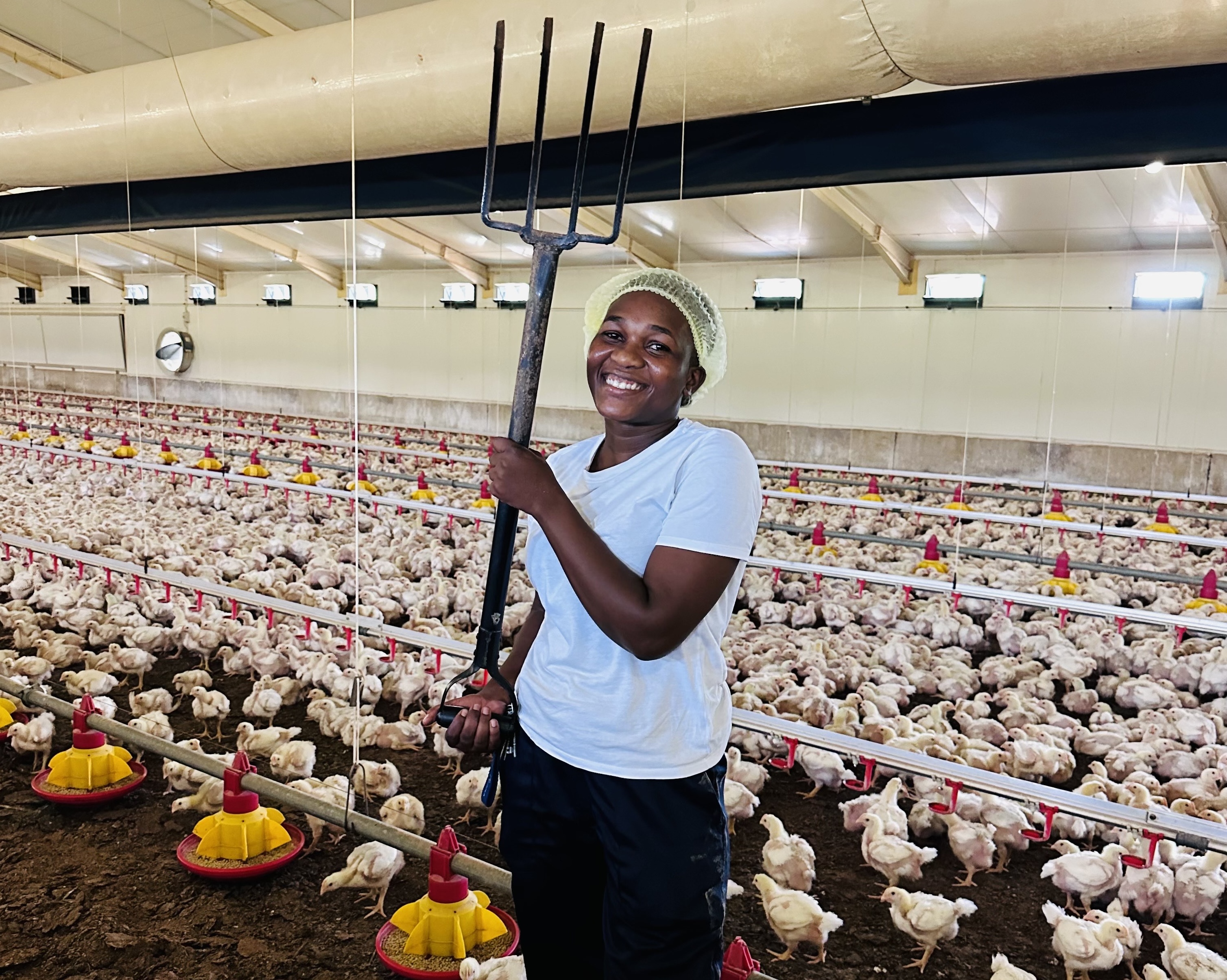
Camilla Ndhlovu's Oak Farm is a growing commercial poultry and crop operation in Limpopo. Sustainability is being incorporated into the farm through practices including greywater recycling and chicken manure composting, while the business is also creating employment and agricultural skills within the surrounding community.
Her journey raises an important point about the future of agriculture. Sustainable farming needs to be environmentally viable, but it also needs to create viable businesses and livelihoods.
As you scale Oak Farm commercially, how do you balance the need to grow a profitable agricultural business with your commitment to sustainability and creating opportunities within your community?
“For me, sustainability and profitability are not two separate goals. If Oak Farm is going to grow and remain successful over the long term, we have to build a business that uses its resources responsibly while creating real economic value.
As we scale commercially, I am constantly looking at how we can make better use of what we already have. In our poultry operation, for example, chicken manure is not simply waste. We are composting it and looking at how it can return value to the farm, while we are also incorporating greywater recycling to reduce pressure on our water resources. These practices make environmental sense, but they also make business sense because they help us use resources more efficiently and reduce unnecessary costs.
At the same time, I believe that a successful farm should not only produce food; it should produce opportunities. Oak Farm creates employment in our community, but I want to go further by developing agricultural skills and creating opportunities for people to participate meaningfully in the agricultural value chain.
My approach is therefore to grow responsibly. I want Oak Farm to be commercially strong enough to create jobs, support suppliers and invest back into the farm, while ensuring that the way we produce today does not compromise the resources we will need tomorrow.
For me, the real measure of growth is not simply how many chickens we produce or how much land we farm, but how much value we create from the resources available to us and how many people can benefit from that growth.”
The future of farming may be about doing things differently
What connects these entrepreneurs is not a single technology or farming method. It is a willingness to challenge assumptions about how agriculture has traditionally worked.
They are asking whether farms can use less water, whether cities can become places of food production, whether waste can replenish soil, whether farming systems can become more circular, and whether farmers can capture more value from what they grow.
These questions matter because the future of agriculture will not be shaped by production volumes alone. It will also be shaped by how effectively we use resources, how resilient our food systems become, and how many people are able to participate meaningfully in the opportunities agriculture creates.
On World Agriculture Day, the work of these entrepreneurs reminds us that innovation in farming does not always mean replacing what came before. Sometimes it means looking more closely at the resources, challenges and opportunities already around us, and finding a better way to put them to work.