For millions of people living with disabilities, the digital world can present barriers that many of us rarely think about. A website that cannot be navigated using a screen reader, a promotional video without captions, an image containing important information without alternative text, or a complicated online checkout process can all prevent someone from engaging with a business.
These are not simply technical inconveniences. They can determine whether someone has access to information, products, services and opportunities. As South Africa observes Disability Rights Awareness Month from 3 November to 3 December, there is an opportunity for businesses to examine what inclusion really looks like within their own marketing.
Accessibility starts with understanding your audience
One organisation bringing this conversation into focus is Med-Ezequiel, a South African social enterprise founded by Pontsho Matshavha. Med-Ezequiel specialises in providing assistive technology that supports independence and improves everyday living for people with disabilities. Its product offering includes Braille reading and writing equipment, optical magnifiers, talking devices and other technologies designed to make education, employment and everyday activities more accessible.
However, its work extends beyond providing products. Med-Ezequiel also offers personalised needs assessments, training and repair services, recognising that access to technology is only meaningful when people are supported in using it.
The recent launch of its new e-commerce website, developed by Simply eCommerce, provides an interesting example of the relationship between accessibility, digital marketing and customer experience.
For an organisation serving people who are blind or have low vision, the digital experience is particularly important. Customers need to be able to discover suitable products, understand their benefits, ask questions and make purchasing decisions through channels that work for them.
"At Med-Ezequiel, our work is about giving people greater independence through access to the right technology. Our digital presence needs to reflect that same purpose. We want people to be able to explore their options, find information and receive support in ways that work for them” says Pontsho Matshavha, Founder of Med-Ezequiel.
The website brings products, advice, educational resources and support services together, including the option for customers to speak to an adviser rather than complete the entire purchasing journey online.
It is a reminder that accessibility is not always about offering everyone the same experience. Sometimes, it means recognising that people have different needs and providing more than one way to achieve the same outcome.
What makes a website truly accessible?
From a digital marketing perspective, accessibility is often overlooked in favour of visual appeal, engagement and conversions. Businesses want websites that look impressive, social media content that captures attention and campaigns that encourage people to take action. But a beautifully designed website loses much of its value if some visitors cannot navigate it.
"When developing a website, it's important to consider how different people will interact with it. Good user experience isn't only about how a website looks. It's about understanding the different ways people access information, navigate digital platforms and engage with online services. A website may look visually impressive, but if someone cannot read the content, navigate the menu or complete a purchase independently, the design has failed to consider an important part of its audience. A little bit of effort on the accessibility front can make a world of difference to some users" - Aidan van Vuuren, Founder of Simply eCommerce.
While accessibility is often associated with visual design, much of what makes a website accessible happens behind the scenes. Developers need to consider how websites function for people using assistive technologies, including screen readers, voice commands, screen magnifiers and alternative navigation devices.
Internationally, the Web Content Accessibility Guidelines (WCAG) provide a framework for developing websites that are more accessible to people with different visual, hearing, physical and cognitive abilities. These guidelines address several important technical considerations.
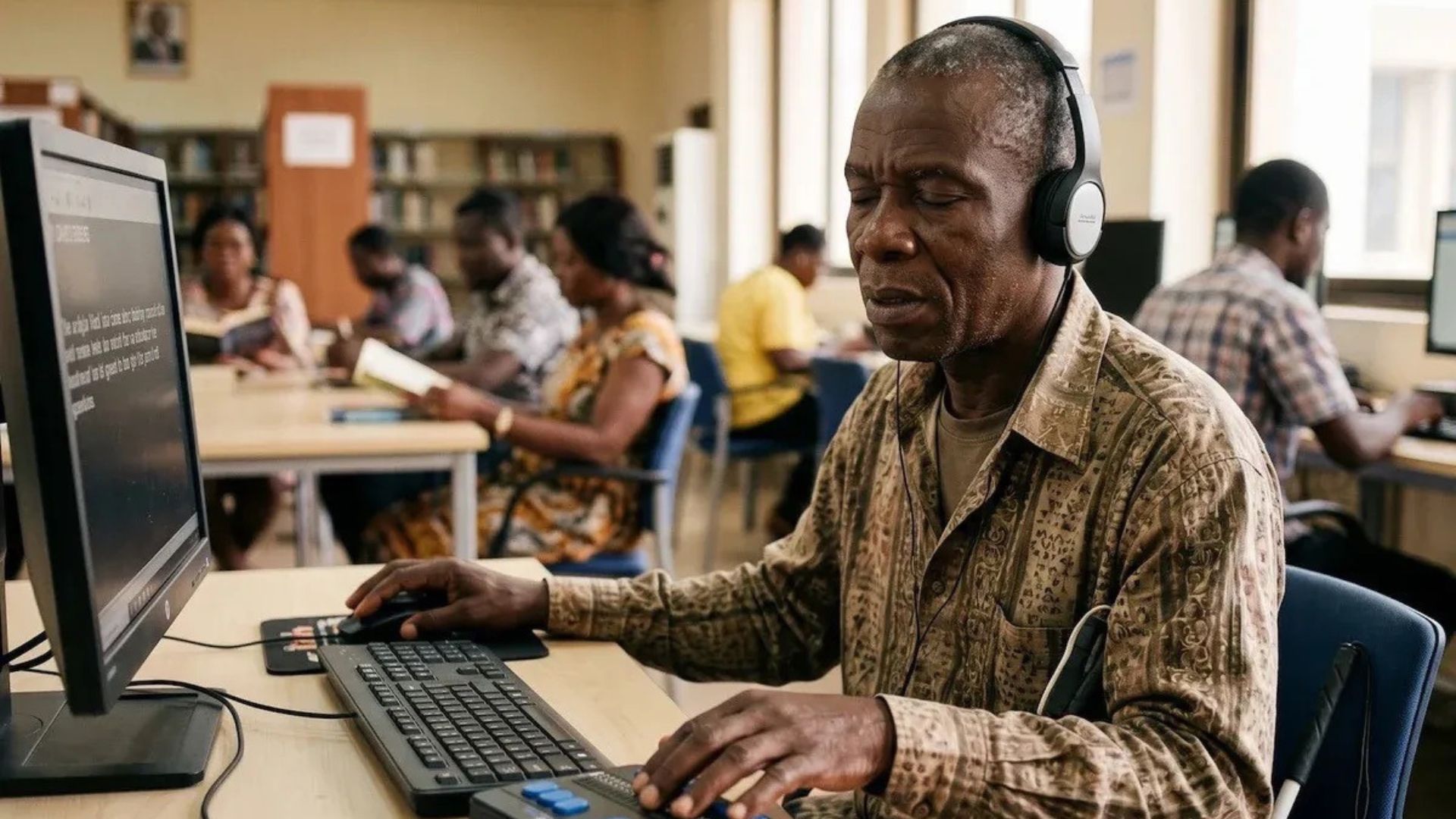
For example, screen reader compatibility allows people who are blind or have low vision to navigate websites using software that converts on-screen information into speech or Braille. For this to work effectively, websites need clearly structured headings, appropriately labelled buttons and links, and descriptive alternative text for meaningful images.
Keyboard navigation is another important consideration. Not everyone uses a mouse or touchscreen, so websites should allow users to move through menus, access information, complete forms and make purchases using a keyboard alone.
Colour contrast and typography also influence accessibility. Text needs sufficient contrast against its background, while fonts, spacing and layouts should remain readable when users enlarge text or adjust display settings. Information should never rely on colour alone to communicate meaning.
For websites featuring video or audio content, captions, transcripts and accessible media controls help ensure information is available to people with hearing disabilities and those using assistive technologies.
Even everyday website features, such as contact forms, product searches and checkout processes, require careful consideration. Clearly labelled fields, understandable error messages and logical navigation can make the difference between someone completing a transaction independently and abandoning the process altogether.
The newly launched Med-Ezequiel website brings particular relevance to this conversation. As a business specialising in assistive technology, including screen reader training and devices supporting people who are blind or have low vision, its digital platform serves an audience for whom accessibility is directly connected to independence.
The website also creates opportunities for customers to explore products, learn about available services and seek assistance. The next consideration is ensuring that these journeys work effectively for people using different technologies and methods of navigation.
Importantly, accessible website development should not end when a website launches. Testing with assistive technologies, gathering feedback from users with disabilities and making ongoing improvements are essential to identifying barriers that may not be immediately obvious to designers or developers.
Ultimately, website accessibility is not about creating a separate digital experience for people with disabilities. It is about creating an inclusive experience that allows more people to access information, engage with businesses and participate independently in the digital economy.
Accessibility is a business responsibility
There is also a wider conversation about how businesses understand the value of accessibility. Too often, inclusive design is viewed as a specialist requirement for organisations that directly serve people with disabilities. Yet people with disabilities are consumers, employees, entrepreneurs and decision-makers across every industry. A bank, retailer, educational institution or professional services business may not consider disability central to its marketing strategy, but that does not mean people with disabilities are absent from its audience.
If businesses are investing in attracting customers while overlooking the barriers that prevent some people from participating, they are limiting both their reach and their potential impact. For social enterprises such as Med-Ezequiel, accessibility is closely connected to their purpose. For other businesses, it may require reconsidering assumptions about who their customers are and how they interact with their brand.
At FURTHER, we believe meaningful impact is built by organisations that understand the people they serve. Accessibility is part of that understanding, requiring businesses to think beyond visibility and consider whether they are creating genuine opportunities for participation.
Disability Rights Awareness Month should encourage more than conversations about inclusion. It should prompt businesses to examine the practical barriers that exist within their own digital environments and take responsibility for addressing them. The next time you review your marketing strategy, ask yourself a different question. Not simply how many people are seeing your content, but how many people are actually able to access it.